
Caregiver's Corner (Blog) is your no-fluff guide to the messy, sacred, everyday work of caring for someone else. Each post covers practical tips, product picks, and real-world advice for at-home caregivers—especially the ones who never got any training. Backed by The Unmedical Manual, these are affiliate-supported resources designed to make hard days a little easier, one smart tool at a time.

How to Have Patience When Caregiving Gets Hard: Grace, Attunement & Fewer Regrets
Patience in caregiving isn’t a personality trait—it’s a practice. Learn how grace and attunement reduce stress, prevent injury, and preserve connection even on the hardest days. A practical method for caregivers who care deeply—and need a minute to breathe.

✋ Wash Your Damn Hands: The Cheapest Lifesaver in Home Care
In home caregiving, the simplest habit is your biggest defense. Skip a hand‑wash and you invite infection, extra bills and burnout. Here’s how to flip hand hygiene into a money‑saving, stress‑cutting care hack.
The Unmedical Street Rules Every Caregiver Needs: 7 Practical Habits for Sanity & Safety
These 7 caregiver street rules aren't sugar-coated — they're hard-won habits that help prevent burnout, mistakes, and 2 a.m. regret. Practical, no-fluff, and fridge-worthy for anyone caring at home.

🩺 What Caregivers Need From Day One
Learn the #1 skill caregivers need: foresight. Start smart with a binder, a plan, and burnout prevention strategies that work from day one.

Clean. Dry. Safe. Enough. (Caregiver Encouragement for Hard Days)
On the days that break you, “clean, dry, and safe” is not failure—it’s excellence. This piece offers quiet caregiver encouragement for the hard days, reminding you that small mercies are still miracles. No rush, no shame—just rhythm.

How to Move Someone Without Breaking Yourself
Moving someone safely isn’t about muscle — it’s about technique. Learn caregiver-approved transfer tips and tools to protect your spine and your loved one.

The Grief No One Warns Caregivers About
Grieving someone who’s still alive is called ambiguous loss. Caregivers live this reality daily — mourning pieces of the person they love while still showing up to care. Here’s how to face the grief no one warns you about.

The Loneliness of Caregiving: Why “Being Understood” Feels Impossible
Caregiving is lonely in ways most people can’t imagine. Friends drift away, the world shrinks, and even simple questions like “How are you?” become walls instead of bridges. This raw, practical guide explores the pain of being misunderstood — and offers real tools to soften the loneliness and find safe spaces where caregivers can truly connect.

The Mess: How to Clean Up Poop, Blood, and Vomit Without Losing Your Mind
Caregiving isn’t clean or easy — sometimes it’s downright disgusting. Poop, blood, vomit: they always strike at 2AM when you’re exhausted. Here’s the unfiltered caregiver guide with mindset shifts, survival hacks, and the one tool you should build before disaster hits — the Disaster Box.

America’s Real Healthcare Shortage: Time, Hands, and Know-How at Home
America’s healthcare shortage isn’t just nurses and doctors — it’s the time, hands, and know-how missing in everyday homes. This essay explores why families are stepping up, the risks they face, and how simple skills can transform home care into something safer, saner, and more dignified.
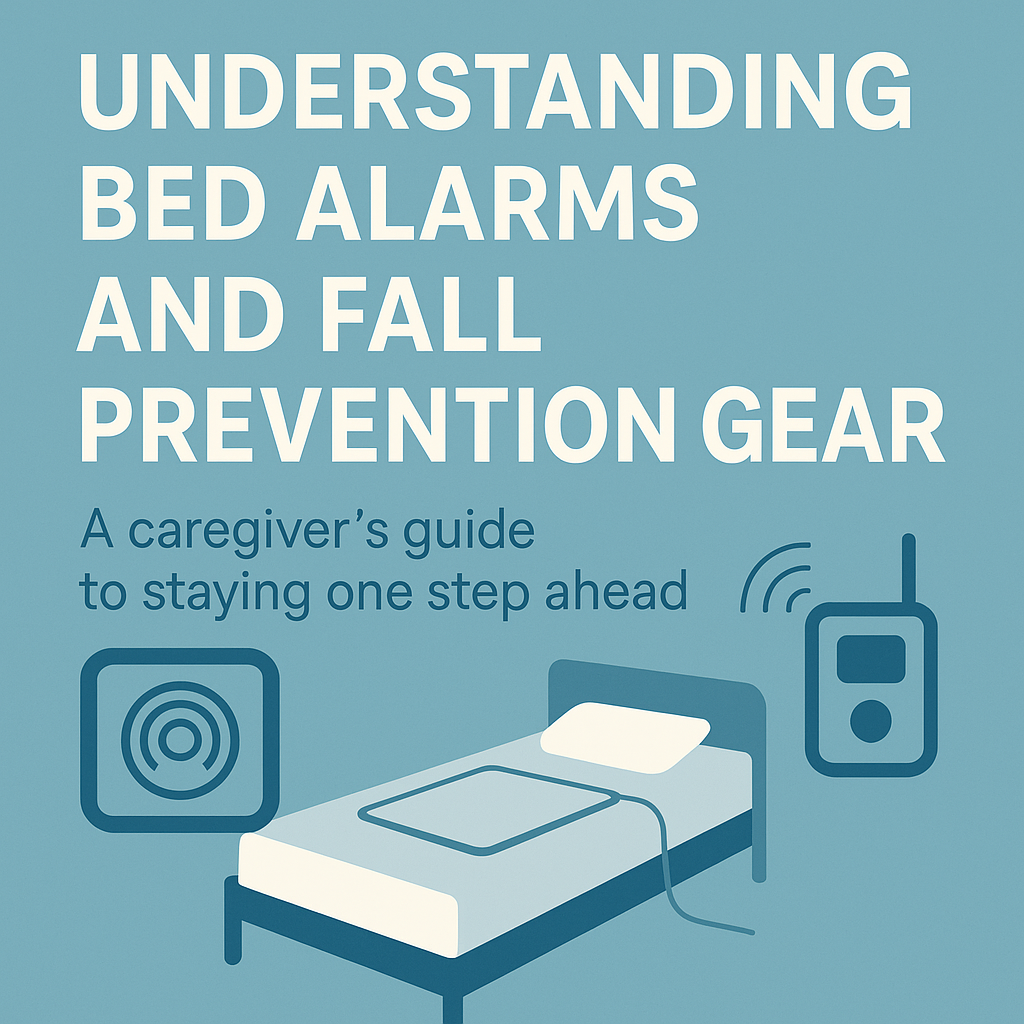
Understanding Bed Alarms and Fall Prevention Gear
Bed alarms and fall prevention gear give caregivers peace of mind and loved ones an extra layer of safety. Learn how to choose the right system and use it effectively at home.

🚽 7 Essential Tips for Foley & SPT Care Made Simple | The Unmedical Caregiver’s Guide
Unmedical bridges medical professionals and family caregivers. Our mission: simplify hospital chaos, build trust with staff, and help families care with confidence — without burning out.

Hospital Playbook (Caregiver Edition): The Unmedical Guide to Surviving the System
Hospitals can feel overwhelming for families. The Hospital Playbook (Caregiver Edition) gives you practical strategies, scripts, and checklists to support your loved one, work smoothly with staff, and prepare for discharge with confidence.

Why Are They So Hard to Help?
Caring for “difficult” loved ones is draining. This guide shows caregivers practical tools, mindset shifts, and strategies to protect their peace while providing real care.
🚬 Caregiving Hack: The $5 Fake Cigarette That Can Save Your Sanity
Caregivers of smokers, discover a $5 fake cigarette hack that prevents burns, fire risks, and stress—bringing safety, healing, and peace of mind.

The Hidden Weight of Caregiver Isolation: How to Cope When Help Doesn’t Come
“Many caregivers struggle in silence with isolation, burnout, and a lack of support. Discover practical tools, unexpected lifelines, and community that can help.”
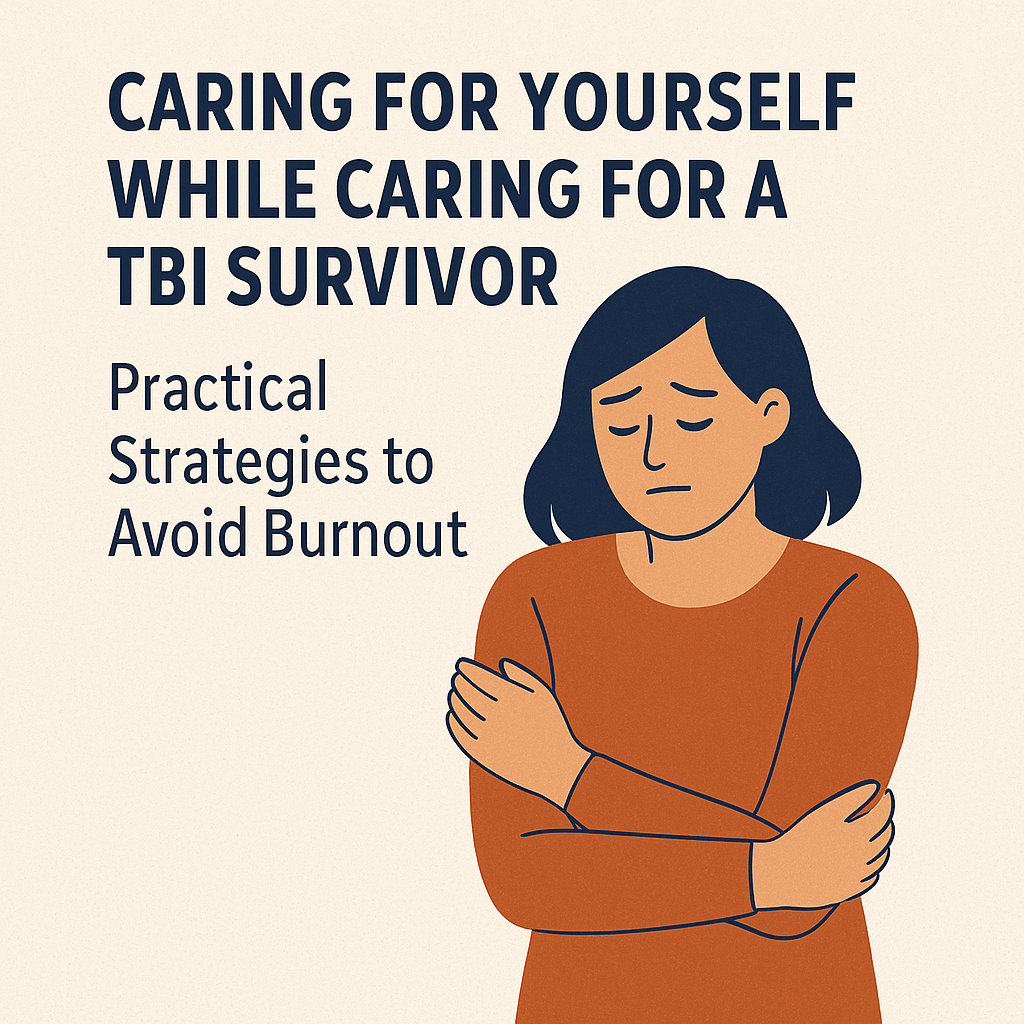
Caring for Yourself While Caring for a TBI Survivor: Practical Strategies to Avoid Burnout
Caring for a loved one with a traumatic brain injury (TBI) is deeply rewarding but also overwhelming. This guide shares practical strategies to prevent caregiver burnout—helping you protect your own well-being while supporting your loved one’s recovery.

Pain and Headache Management After Traumatic Brain Injury: What Caregivers Need to Know
“Headaches and pain are some of the most common struggles after a traumatic brain injury (TBI). This guide breaks down why they happen, how they impact daily life, and what caregivers can do to provide comfort—with simple tools, strategies, and compassion.”
Coping with Behavioral and Emotional Changes After a Traumatic Brain Injury: Practical Strategies for Caregivers
Coping with aggression, impulsivity, and mood swings after a TBI? Discover practical caregiver strategies and calming tools that truly help.

The Best Tools and Techniques for Memory Loss After a Traumatic Brain Injury (TBI)
Memory loss after a traumatic brain injury (TBI) can feel overwhelming for both survivors and caregivers. In this guide, we share practical strategies and the best caregiver-friendly tools—like planners, reminder apps, and digital clocks—that make daily routines easier and reduce frustration.