Why Are They So Hard to Help?
A Real Guide for Caregivers of “Difficult” Loved Ones
Unmedical exists to be the bridge between highly trained medical professionals and everyday family caregivers. Our mission is simple: make caregiving clear, practical, and human so you can care with confidence without burning out.
⚡ Who This Post Isn’t For:
This blog isn’t for folks who want sugarcoated advice or cutesy caregiver quotes to pin on the fridge.
It’s for real caregivers in the thick of it. The ones getting snapped at, second-guessed, ignored, or straight-up manipulated while trying to help someone they love.
If that’s you? You’re in the right place.
😬 Damaging Admission:
Let’s be honest: this post won’t “fix” them.
There’s no one-size-fits-all solution for difficult behavior, because it’s usually not just about behavior.
But what it will do is help you understand why it’s happening, and how to protect yourself from emotional burnout, resentment, and that constant feeling of “I’m doing everything and nothing is working.”
😤 Why They Act Like That: It’s Not (Usually) About You
Caregiving can feel like a one-sided game of emotional dodgeball. You’re trying to be helpful, and they’re… throwing shade, attitude, and wild requests your way.
Here’s the thing — there are reasons why people become difficult when they’re sick, vulnerable, or aging. These aren’t excuses, but they are context.
🧩 The Real Reasons Behind “Difficult” Behavior:
Fear & Loss of Control – Illness strips independence. They’re scared. Snapping at you gives a moment of control.
Physical Pain – Pain doesn't always look like crying. Sometimes it looks like yelling, irritability, or stubborn silence.
Confusion/Dementia – Brain fog can create panic. That panic becomes frustration. That frustration becomes anger.
Depression & Loneliness – Sadness wears a mask, and sometimes it looks like criticism.
Past Grudges – Old family wounds don’t disappear just because someone gets sick.
Role Reversal – When kids become caregivers, or spouses become nurses, it flips the emotional script. Resistance is often grief in disguise.
Personality Amplified – A stubborn person becomes extra stubborn. A perfectionist turns militant. Stress sharpens old edges.
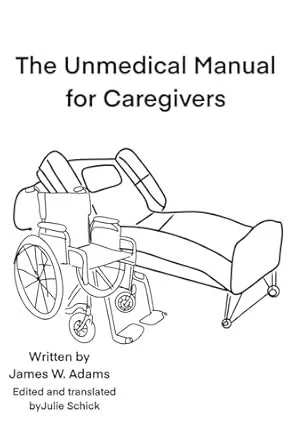
📘 👉 This is one of the topics we go deeper into in The Unmedical Manual for Caregivers*.
🧠 Skills for Physical Caregiving (That Actually Help)
Caring for someone who’s hard to help requires more than just physical strength. It takes emotional chess moves. Here’s what works:
✅ Trust > Tasks
Caregiving is built on trust.
One powerful technique (straight from Chapter 5 of The Unmedical Manual) is simple:
🗣️ Before you leave the room, ask: “Is there anything else I can do or get for you?” Then tell them when you’ll be back… and return five minutes early.
Why it works:
It shows you respect their needs.
It builds predictability and safety.
It tells their nervous system, “I’m here. I’m reliable.”
Repeat that a few times, and you’re no longer “the enemy.” You’re a teammate.
🧰 Tools That Can Actually Help
When people feel out of control, they often ask the same question every five minutes:
“Is it time for lunch?” “Where’s my medicine?” “What day is it?”
That’s not manipulation, often it’s anxiety.
Here’s one small but mighty solution:
👉 Oversized Digital Clock with Day/Time/Date Display
Let them see what’s going on at a glance. Big numbers = less stress = fewer questions.
🕒 Click here to check it out on Amazon

Also helpful:

These are tools, not magic pills. But if they help make one part of the day easier? Worth it.
💪 Skills for Mental & Emotional Caregiving
Let’s get into the emotional side — where most burnout happens.
💡 Tips for Handling Tough Behavior Without Losing Your Cool:
Don’t Take It Personal – It's the pain talking, not them. (Even when it’s nasty.)
Set Boundaries – "I'm happy to help after I finish this task." Repeat as needed.
Redirect Their Energy – Change the subject. Use music, food, old stories, humor.
Offer Choices – "Blue shirt or green?" gives control back in safe doses.
Tag-Team When Possible – Switch off to avoid building resentment.
Use Humor – Even a sarcastic eyebrow raise can break the tension.
Body Language Matters – Calm tone, soft face, relaxed shoulders.
These aren't quick fixes. They’re micro-adjustments that, when done consistently, reduce the emotional temperature in the room.
🧘♀️ Protecting Your Energy Without Guilt
This section is for you, dear caregiver.
When someone is difficult, we go into survival mode. But to stay in this game long-term, you need a survival strategy , not just endurance.
💗 Try These Mental Anchors:
Name the Storm – Say: “This is the disease talking.” That shift creates emotional distance.
Anchor Rituals – Sip coffee, rub prayer beads, hum a favorite lyric — anything grounding.
Micro-Rewards – After a tough hour, reward yourself: a cookie, a meme scroll, one episode.
Step Away Without Guilt – You're not abandoning them. You're preserving the one person they still rely on: you.
Remember Your Why – Whether it’s love, duty, or paycheck — anchor to your deeper reason.
Bonus Mindset Shift:
💬 “This is weird, but it’s our reality.”
Acknowledging the awkwardness of role reversal (when your dad becomes your patient or your spouse needs parenting) softens the emotional blow. It also keeps you human in a job that can easily make you feel robotic.
🏁 Before You Go, Remember This:
Difficult behavior has roots.
You can manage it with boundaries, rituals, humor, and tools.
Trust (not perfection) is the ultimate goal.
Protecting your peace is not selfish. It’s strategic.
👉 If this helped you, there’s more inside my book:
📖 The Unmedical Manual for Caregivers
I go deeper into these strategies (and more) in a way that’s clear, comforting, and actually useful.
I hope you, your family, and your person are happy, healthy, loved, and safe.
And remember — if a clown like me can do it, you’ll be fine (if not better). 🧡
📜 Disclaimer:
I am not writing this from the perspective of a medical professional. The information in this article is for general caregiver support and educational purposes only. It should not be taken as medical advice, diagnosis, or treatment. Always consult a qualified healthcare provider with questions about your loved one’s health or recovery.