“We have to take our meds.”
“We need to finish our dinner.”
“We didn’t make it to the toilet.”
Sound familiar?
It’s something I used to catch myself doing early on — trying to sound supportive, unified, “with” the patient. But here’s the truth: you’re not the one going through it.
You’re the one standing beside the person going through it.
And that difference matters.
💬 “We” Didn’t Just Get Diagnosed
No matter how close you are — spouse, daughter, son, friend — you’re not the one living inside that body.
You may be doing the lifting, the wiping, the scheduling, the worrying — but they’re the one hurting, healing, declining, or struggling to adjust to a body that won’t cooperate.
Even if your life is fully wrapped around their care, remember: they didn’t choose this either.
🧠 “We” Need Compassion, Not Control
Using “we” can sound helpful. But sometimes it takes away dignity.
It can turn the person into a job or a task.
“We need to go to the bathroom.”
“We need to lose some weight.”
“We need to get our sugar under control.”
That’s not always compassion — sometimes, it’s control in disguise.
Instead:
Use their name.
Ask before assuming.
Offer, don’t demand.
And above all — preserve what independence and agency they still have.
🧍♀️ This Is About Them. But You Matter Too.
Being a caregiver doesn’t mean disappearing into someone else’s needs.
But it does mean showing up with dignity, not dominance.
And compassion doesn’t mean burnout.
You can be present without becoming invisible.
📘 Why I Wrote the Book
The Unmedical Manual for Caregivers isn’t about being perfect. It’s about surviving the day, staying human, and remembering that this is real life — not a Hallmark card or hospital brochure.
If you’ve ever:
Snapped and felt guilty
Felt like a bad person for being tired
Struggled to find the line between helping and controlling
…this book was written for you.
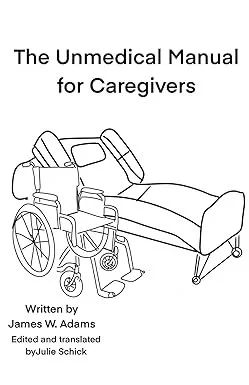
📖 Check it out here on Amazon
💬 And join the group: [FB group link] – where nobody expects sainthood.
Because you’re not the patient — but you matter too.