The Caregiver Safety Net Most Families Don’t Build Until It’s Too Late
There’s a moment most caregivers experience at some point. It might be when the pharmacy asks for the medication list and you realize it’s only in your head.
It might be when someone offers to help, and you suddenly understand that no one else actually knows how the day works. Or it might be when you imagine something uncomfortable:
What would happen if something happened to me today?
Not in a dramatic way. Just real life. If you got sick.
If you slipped on the stairs. If you had to leave the house for six hours unexpectedly would someone else be able to step in and safely care for the person you’re caring for?
For a lot of caregivers, the honest answer is no, and that’s not because they’re careless. It’s because most family caregivers didn’t plan to become caregivers in the first place.
They’re what I call UnMedical caregivers. They’re spouses, adult children, neighbors, and friends who stepped into the role because life happened. There was a fall, a diagnosis, a surgery, or simply the slow reality of aging. And suddenly the person who loves them most is also the person responsible for medications, appointments, hygiene, safety, and a dozen other details no one ever trained them for.
The system quietly assumes they’ll figure it out, and most of the time, they do. But there’s a problem inside that survival strategy.
The Care System That Lives Inside One Person’s Head
In many homes, the entire care operation lives in one place: the caregiver’s brain.
Medication schedules. Doctor names. Insurance numbers. Allergies. What time breakfast happens.
What words calm someone down when they get confused. Which pharmacy has the refills.
What to tell the doctor if something changes.
It all sits in one person’s brain trying to keep everything straight while also doing the physical and emotional work of caregiving that works… until it doesn’t.
Because any system that depends on one exhausted person never being unavailable is a fragile system.
The reality is simple: If the plan relies on only one person, it’s not a plan. It’s a pressure point, and eventually pressure points break.
The Question Most Caregivers Don’t Ask Early Enough
If EMTs walked into your home tonight, could someone hand them the key information in thirty seconds? If a friend offered to sit with your person for a few hours, would they know what to do? If you needed a day off, could someone safely run the basics?
Those questions aren’t about fear. They’re about resilience. Professional care systems always build redundancy. Hospitals have charts, hand-offs, and shift changes because they understand something important: Care should never depend on one person’s memory. Family caregiving deserves the same safety net.
The UnMedical Brain
The simplest way to build that safety net is something surprisingly low-tech. A binder. Not a complicated system. Not an app. Just a single place where the important information lives so it’s not trapped inside one caregiver’s head.
I call it the UnMedical Brain. A central binder where the most important parts of care live in one place:
• Who the person is and what their baseline looks like
• Medications and when they’re given
• Emergency information for EMTs
• A quick care plan someone else can follow
• Important contacts and providers
• What to do if something goes wrong
It becomes a few things at once:
A grab-and-go binder for emergencies.
A cheat sheet for helpers.
A hand-off system for when someone else steps in.
And most importantly, a safety net for the caregiver.
Because caregiving that depends entirely on one person eventually leads to burnout. A system allows breathing room.
Building a Team Instead of Carrying the Whole Load
Something interesting happens once information is written down. Other people can help. Friends can sit with your person for an hour. Family members can handle a doctor appointment. Someone can run errands without needing a thirty-minute explanation.
The binder doesn’t just organize information. It creates the ability to share responsibility. Care stops being a solo mission and starts becoming a team effort, and that shift matters.
Why This Matters Before a Crisis
Most caregivers don’t build systems until something goes wrong.
A hospital visit. A fall. A confusing medication change. An emergency where no one can find the right information, but systems work best before the chaos arrives. Even partial information is better than none.
Done beats perfect.
A few key pages can protect your person in an emergency and give you the breathing room to build the rest over time.
A Simple Place to Start
To make that easier, I created a free starter version of the UnMedical Brain Binder.
It includes the core pages every caregiver needs day one, including:
• A 911 emergency hand-off sheet for EMTs
• A snapshot of the person receiving care
• A medication log to track doses safely
• A simple care plan others can follow
• A “Chaos Kit” checklist for unexpected situations
• An end-of-life planning checklist to guide difficult conversations
It’s not medical advice. It’s simply an organizational tool designed to make caregiving safer and less overwhelming. You can download the free starter pack, print the pages, and start building your binder today.
Download the Free UnMedical Brain Starter Pack Here
The Real Goal
The binder isn’t about paperwork. It’s about protecting two people: The person receiving care, and the person giving it.
Caregiving works best when it’s shared, documented, and sustainable.
Because if something happened to you tomorrow, someone else should be able to step in and keep things steady. That’s not pessimism. That’s good planning, and good planning is one of the most caring things a person can do.
You don’t need a pair of scrubs to do this well. You just need a plan, a binder, and permission to be imperfect.
I hope you, your family, and your person are happy, healthy, loved, and safe. And remember, if a clown like me can do it, you’ll probably do it even better.
UnMedical exists to be the bridge between highly trained medical professionals and everyday family caregivers. Our mission is simple: make caregiving clear, practical, and human so people can care with confidence without burning out.
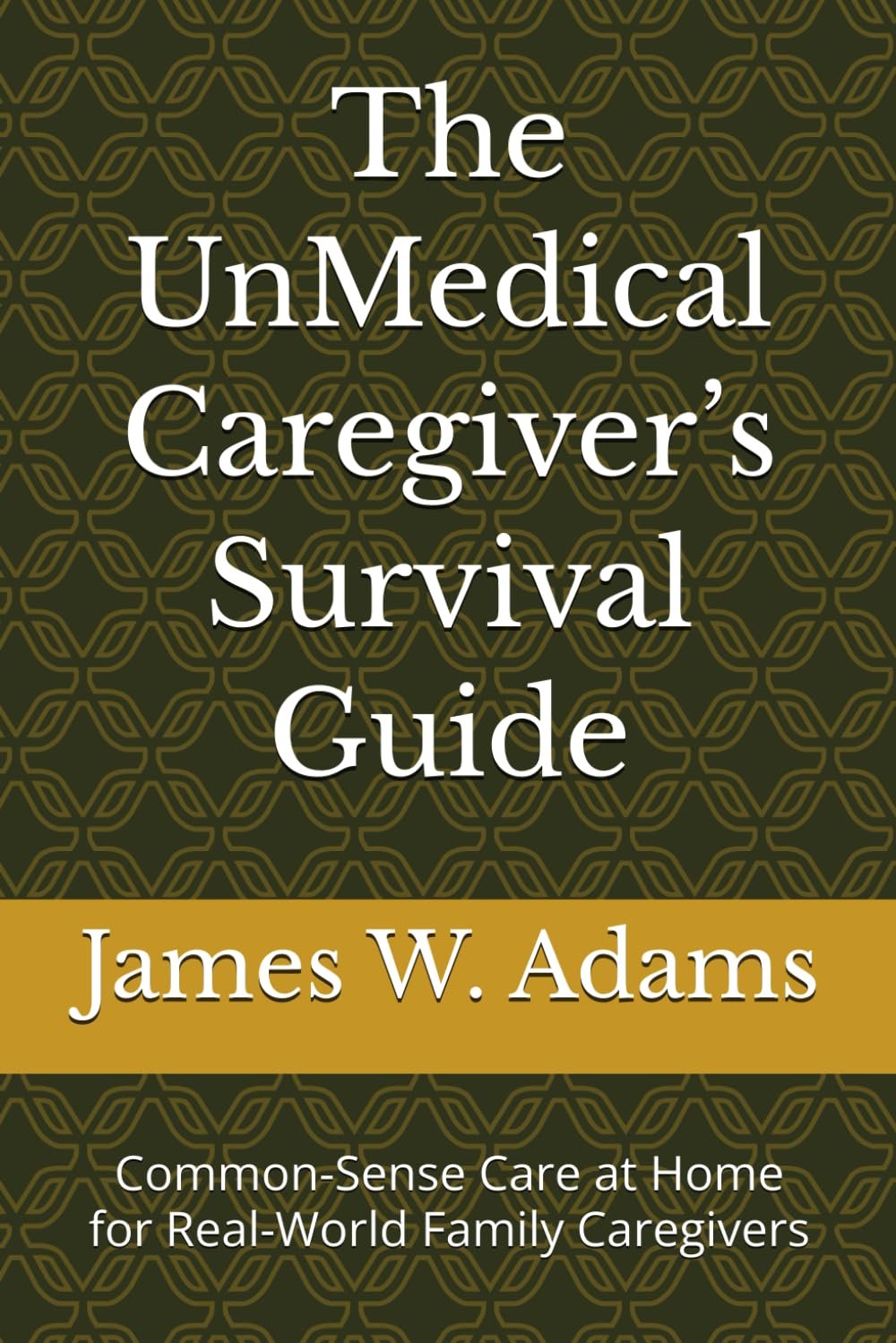
For those who need a deeper dive into the "Street Rules" of caregiving, and the stuff they don't tell you about hygiene, difficult conversations, and managing your own stress check out my full guide, The UnMedical Caregiver’s Survival Guide, is now available in print and digital formats on Amazon.
Disclaimer:
I am not writing this from the perspective of a medical professional. The information in this article is for general caregiver support and educational purposes only. It should not be taken as medical advice, diagnosis, or treatment. Always consult a qualified healthcare provider with questions about your loved one’s health or recovery.